Newsletter Subscribe
Enter your email address below and subscribe to our newsletter

 ByJohn A
Natural light can change the character of a room, making interiors feel more open, comfortable, and connected to the outdoors. In homes with limited wall space for conventional windows, roof glazing offers another way to bring daylight inside. Well-planned flat rooflights can brighten kitchens, extensions, hallways, and open-plan living areas while preserving privacy and creating a cleaner architectural appearance. Their performance, however, depends on factors such as placement, glazing specification, roof structure, insulation, and ventilation requirements.
Daylight influences how people experience an interior. A room with generous natural light can feel more welcoming during the day, while a darker space may rely heavily on artificial lighting. This difference becomes particularly noticeable in extensions, where the centre of a floor plan can sit far from external walls.
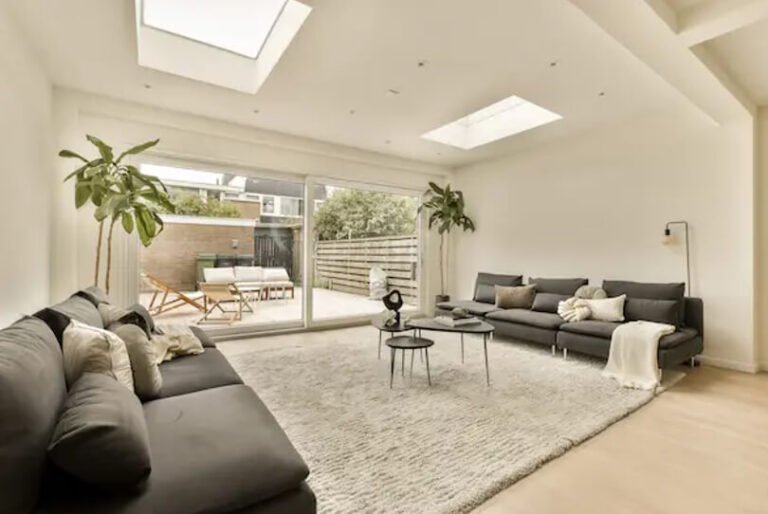
Roof glazing allows daylight to enter from above, reaching areas that vertical windows may not illuminate effectively. This can be useful in kitchens with central islands, dining spaces beneath flat roofs, and single-storey extensions built alongside neighbouring properties.
Natural light also helps highlight architectural details, furniture, wall finishes, and flooring. Rather than relying entirely on decorative lighting, homeowners can use daylight to create a changing atmosphere throughout the day.
See also: Traveling to Egypt with Kids: Entry Requirements for American Families
The location of a roof window can influence its usefulness as much as its size. A carefully positioned unit may provide more practical daylight than a larger unit placed in an unsuitable part of the roof.
Kitchens often contain tall cabinets, appliances, and work surfaces that limit the available wall space for windows. Glazing above a preparation area or dining table can introduce daylight without taking up valuable wall space.
In open-plan kitchens, roof windows can also help distinguish the cooking and dining zones through changes in natural illumination. The final layout should account for cabinet heights, lighting fixtures, extraction equipment, and the position of roof supports.
A rear extension can create a spacious living area but may leave the original part of the house feeling darker. Roof glazing can help distribute daylight across the new space, particularly where the extension has a broad, flat ceiling.
Larger glazed areas can create a visual connection with the sky and make a room feel less enclosed. Glare and solar heat gain still need consideration, especially in rooms with south- or west-facing glazing.
Bathrooms can benefit from overhead daylight without requiring large windows at eye level. Privacy remains easier to maintain when glazing is positioned above the usual sightlines.
Suitable glazing, effective waterproofing, and adequate ventilation are essential in these spaces. The installation must also comply with relevant electrical and building regulations.
Roof windows are available in different sizes, glazing configurations, frame materials, and opening styles. The right specification depends on the building, intended room use, local climate, and budget.
Double glazing may provide a suitable balance of thermal performance and cost for some projects. Triple glazing can offer improved insulation in certain configurations, although the overall performance depends on the complete unit, including its frame, seals, and installation.
Solar-control glass may help limit unwanted heat gain in sunny rooms. Laminated or toughened safety glass may also be required depending on the product design, location, and applicable building regulations.
A specification should include the manufacturer’s declared thermal performance, weather resistance, and suitability for the intended roof construction. It is also worth checking whether the unit has been tested for the relevant wind and water loads.
Fixed roof windows do not open, making them suitable for projects where the primary aim is to introduce daylight. With fewer moving parts, they may also require less mechanical maintenance than opening alternatives, although seals and drainage still need periodic inspection.
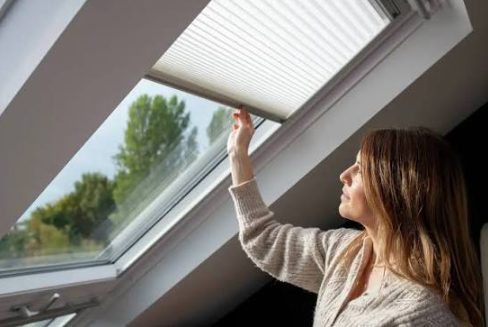
Opening roof windows provide an additional function: ventilation. This can be useful in kitchens, living spaces, and rooms where warm air accumulates near the ceiling. Depending on the model, opening mechanisms may be manual or electrically operated.
The decision should reflect the room’s ventilation needs rather than appearance alone. An opening unit also requires consideration of access, controls, maintenance, and weather protection when closed.
For some projects, a combination of fixed and opening glazing may provide a practical balance between daylight, ventilation, and cost.
Even a high-quality roof window can perform poorly if it is installed incorrectly. The roof opening must be designed around the building’s structural requirements, with appropriate support and careful coordination between the roof covering and glazing system.
Weatherproofing is especially important. Flashings, seals, drainage channels, and the surrounding roof membrane must work together to prevent water ingress. The installer should follow the manufacturer’s instructions and use compatible components.
Thermal insulation around the opening also deserves attention. Poorly insulated junctions can create cold spots and increase the risk of condensation. A well-designed installation limits thermal bridging while maintaining the required airtightness.
Before work begins, confirm whether structural calculations, planning permission, or building control approval are needed. Requirements vary according to the property’s location and the scope of the work.
More daylight is not automatically better if the room becomes uncomfortable during warmer months. Glazing can admit solar energy as well as visible light, so the product specification should reflect the room’s orientation and intended use.
External shading, solar-control glazing, blinds, and thoughtful positioning can help manage excessive sunlight. External shading can be particularly effective because it reduces solar energy before it passes through the glass.
Thermal performance matters during colder weather, too. Insulated frames, appropriate glazing, quality seals, and careful installation can reduce heat loss. Homeowners should compare the complete window’s energy performance instead of relying on the number of glass panes alone.
Skylights Roof Lanterns is a name homeowners may encounter while researching roof glazing options. Before selecting any supplier or product, compare specifications, available sizes, installation guidance, warranties, and the suitability of the proposed system for the project.
Routine inspection helps preserve the appearance and performance of roof glazing. Glass can usually be cleaned with suitable non-abrasive products, following the manufacturer’s recommendations. Frames and seals should be checked for visible damage, while drainage channels should remain free from leaves and debris.
Persistent condensation, water staining, draughts, or damaged seals deserve prompt investigation. These signs can indicate ventilation problems, installation defects, or deterioration that needs professional attention.
Maintenance access should also be considered during the design stage. Roof windows positioned above stairwells or high ceilings may require specialist cleaning equipment or professional assistance.
A successful roof-glazing project begins with the needs of the room rather than the size of the window. Consider how daylight moves through the space, whether ventilation is necessary, and how the glazing will perform during different seasons. These decisions can influence comfort, energy use, and long-term maintenance.
For homeowners planning an extension or updating an existing property, comparing suitable products and installation requirements early can prevent expensive changes later. Contact us to discuss your roof-glazing requirements, explore suitable options, and identify the details that deserve attention before installation begins.